Garage Door Cable Snapped or Came Off the Drum: What to Do Right Now
Published on: October 14, 2026You press the remote, and something sounds wrong: a loud snap, a grinding noise, or the door rises crooked and stops. When you look up, you see a cable hanging loose or unwound from the drum at the top corner of the door.
A snapped or loose garage door cable is one of the most dangerous garage door problems a homeowner can face. The good news is that knowing what to do in the first few minutes keeps you safe and prevents more expensive damage. This guide explains what garage door cables do, how to tell if one has failed, what to do right away, and when to call a professional.
What Do Garage Door Cables Actually Do?
Garage door cables work together with your springs to lift and lower the door. The springs store the force, and the cables carry that force to the bottom corners of the door.
There are two main setups. In torsion spring systems, the spring sits on a bar above the door, and a cable runs from each bottom corner of the door up to a drum on that bar — as the spring turns the bar, the cables wind onto the drums and lift the door. In extension spring systems, the springs run along the horizontal tracks on each side, and cables run through pulleys to lift the door.
Your door may weigh 150 to over 300 pounds. The cables hold that weight under constant high tension, so a failure affects the entire door.
Signs Your Garage Door Cable Has Snapped or Come Off the Drum
You may notice one or more of these:
- A loud bang or snapping sound from the garage
- A cable hanging loose, frayed, or wrapped around the torsion bar
- The door rising unevenly, with one side higher than the other
- The door hanging crooked in its opening or jammed in the tracks
- Cable unwound or tangled on one drum while the other side looks normal
- The opener straining, humming, or stopping partway
- The door slamming down faster than usual or feeling much heavier when lifted by hand
If you see any of these signs, stop using the door right away.
What to Do Right Now: Step-by-Step
1. Stop Using the Door Immediately
Do not press the remote or wall button again. Running the opener with a broken or loose cable can pull the door off its tracks, bend panels, damage the opener, or cause the door to fall.
2. Unplug the Garage Door Opener
Unplug the opener from the ceiling outlet. This prevents anyone in the house from accidentally activating the door with a remote, keypad, or smart app.
3. Keep Everyone Away From the Door
Keep children, pets, and adults out of the door's path. A door with a failed cable can shift or drop without warning, especially if it's stuck partly open.
4. Don't Try to Close the Door by Hand
If the door is stuck open or crooked, don't pull it down or pull the emergency release cord. Once the opener is disconnected, nothing may be holding up the uneven side of the door except a damaged system.
5. Leave the Car Where It Is
If your car is inside and the door is stuck, don't try to squeeze past or force the door up. Make other plans until the door is secured.
6. Take Photos and Call a Professional
Take a few photos from a safe distance. Get the drums, cables, springs, and the door's position in the shot. Photos help the technician understand the problem and bring the right parts.
Why You Shouldn't Fix a Garage Door Cable Yourself
Online videos can make cable repair look simple, but it's one of the riskiest garage door jobs for homeowners.
Replacing or rewinding a cable usually means releasing and re-tensioning the springs, and torsion springs store enough energy to cause serious injuries if a winding bar slips. A door with one failed cable is also unbalanced, and moving it without proper clamps and support can make it drop suddenly. A snapped cable is often a sign of a worn spring, a bad drum, or a bent track, and replacing only the cable may not fix the real problem. Cables, drums, and springs must also match your door's weight and height — the wrong parts lead to repeat failures.
A trained technician has the tools, the parts, and the experience to do the repair safely, usually in a single visit.
What Causes Garage Door Cables to Snap or Come Off the Drum?
Knowing the cause helps prevent it from happening again.
Normal Wear and Rust
Cables are steel, but years of use cause fraying. Moisture causes rust, which weakens the strands from the inside. Northern Virginia's humid summers and wet winters speed up this process, especially near the bottom bracket.
A Broken or Worn Spring
When a spring breaks or loses tension, the cable can go slack and jump off the drum. Many "cable problems" actually start with a spring problem.
Door Hitting an Obstruction
If the door comes down on a trash can, bicycle, or car bumper, one side stops while the other keeps going. This can create slack and unwind the cable.
Damaged or Misaligned Tracks
A bent track can make the door bind on one side, which puts uneven stress on the cables.
Worn Drums or Bottom Brackets
Cracked drums or rusted bottom brackets can let the cable slip or fray faster.
Improper Installation or Previous Repairs
Incorrect tension, mismatched cables, or drums set unevenly can cause early failure.
Snapped Cable vs. Cable Off the Drum: What's the Difference?
A cable that came off the drum is intact but has unwound or jumped out of its groove. This often happens after the door hits something or a spring loses tension. Sometimes the cable can be rewound and re-tensioned, but it must be inspected for kinks or fraying first.
A cable that snapped is physically broken and must be replaced. Most technicians recommend replacing both cables at the same time, since the other cable has the same age and wear.
In both cases, the technician should also inspect the springs, drums, bottom brackets, rollers, and tracks.
What Happens During a Professional Cable Repair?
A typical repair includes securing the door with clamps so it can't move, safely releasing spring tension, removing the damaged cable and inspecting the drums and bottom brackets, installing new cables sized for your door, re-tensioning the springs and balancing the door, checking the tracks, rollers, and hinges for related damage, and testing the opener's force settings and the safety reverse.
A properly balanced door should stay in place when lifted halfway by hand. This is one of the checks a good technician does before leaving.
How to Prevent Garage Door Cable Problems
Look at your cables every few months. Check for fraying, rust, or broken strands near the bottom brackets, without touching them. Keep the door's path clear — most cable jumps start when the door closes on an object. Watch for an uneven door; one that hangs crooked or closes with a gap on one side needs attention. Don't ignore a weak spring — if the door feels heavy or the opener strains, have the springs checked. Scheduling an annual tune-up helps a professional inspection catch worn cables before they snap.
Final Thoughts
A broken cable isn't something to wait on. Garage Door Expert provides same-day garage door cable repair across Northern Virginia, including Fairfax, Woodbridge, Alexandria, Arlington, Ashburn, Reston, Herndon, Manassas, Leesburg, and nearby communities. We're open 7 days a week, 6:30 AM to 9:00 PM.
Call us at (703) 383-4322 for a same-day diagnosis and free estimate.


New Garage Door




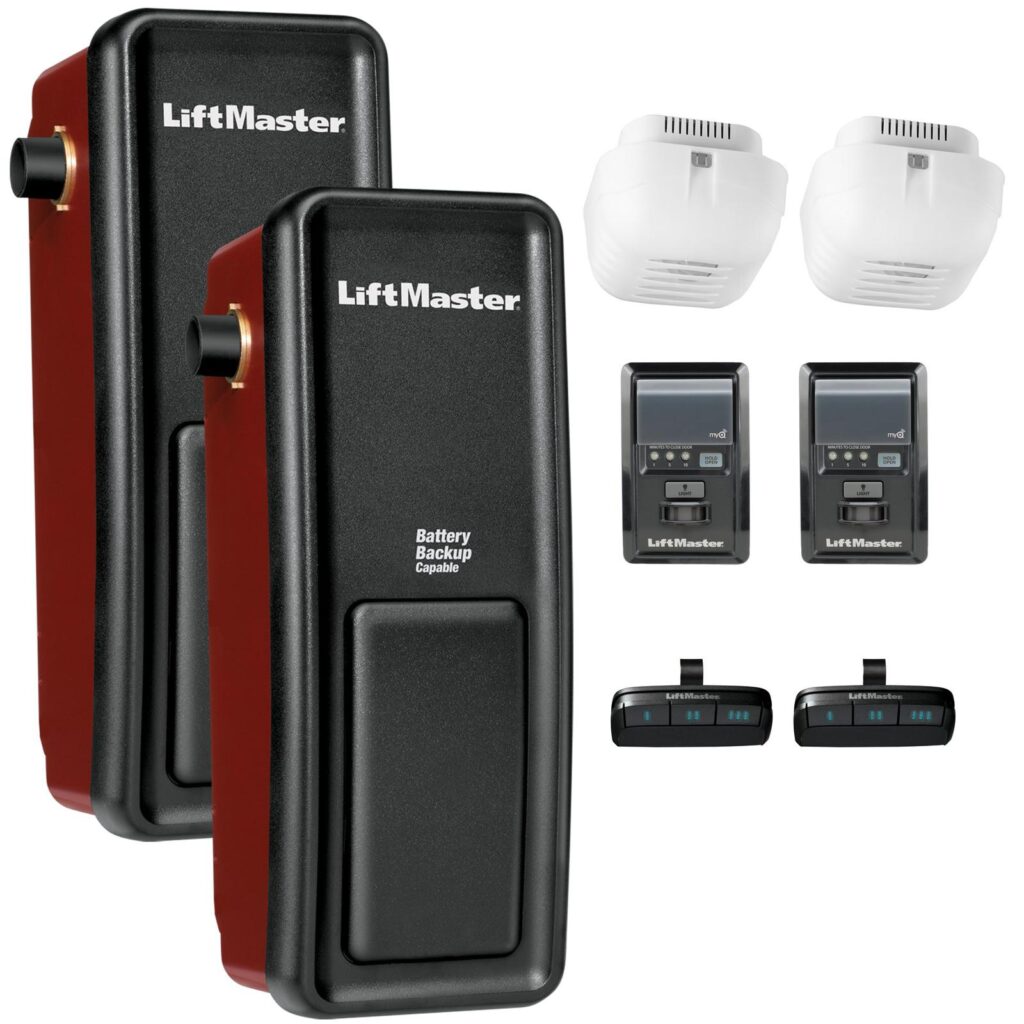
Garage Door Openers
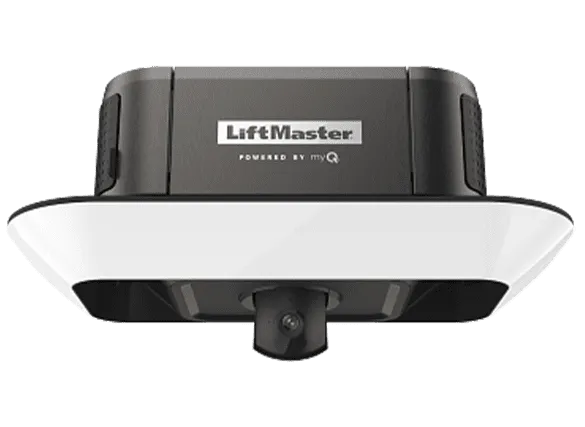
Secure View™ Smart Garage Opener with Camera, LED Lighting, Battery Backup, Ultra-Quiet Drive
VIEW MORE
Secure View™ Ultra-Quiet Belt Drive Smart Opener with Camera and Dual LED Lighting | LiftMaster
VIEW MORE
Secure View™ Ultra-Quiet, Belt Drive, Smart Opener with Camera, Dual LED Lighting™ & Battery Backup
VIEW MORE
Elite Series DC Battery Backup Wall Mount Wi-Fi Garage Door Opener | LiftMaster
VIEW MOREOur Featured Services
Garage Door Expert Services Near You.
Cities We Serve.
Garage Door Repair & Installation,
Loudoun County
Garage Door Repair & Installation,
Prince William County
Garage Door Repair & Installation,
Aldie, VA
Garage Door Repair & Installation,
Alexandria, VA
Garage Door Repair & Installation,
Arcola, VA
Garage Door Repair & Installation,
Arlington, VA
Garage Door Repair & Installation,
Ashburn, VA
Garage Door Repair & Installation,
Brambleton, VA
Garage Door Repair & Installation,
Bristow, VA
Garage Door Repair & Installation,
Burke, VA
Garage Door Repair & Installation,
Clifton, VA
Garage Door Repair & Installation,
Fairfax Station, VA
Garage Door Repair & Installation,
Fairfax, VA
Garage Door Repair & Installation,
Falls Church, VA
Garage Door Repair & Installation,
Gainesville, VA
Garage Door Repair & Installation,
Great Falls, VA
Garage Door Repair & Installation,
Haymarket, VA
Garage Door Repair & Installation,
Herndon, VA
Garage Door Repair & Installation,
Lansdowne, VA
Garage Door Repair & Installation,
Leesburg, VA
Garage Door Repair & Installation,
McLean, VA
Garage Door Repair & Installation,
Middleburg, VA
Garage Door Repair & Installation,
Oakton, VA
Garage Door Repair & Installation,
Potomac Falls, VA
Garage Door Repair & Installation,
Purcellville, VA
Garage Door Repair & Installation,
Reston, VA
Garage Door Repair & Installation,
South Riding, VA
Garage Door Repair & Installation,
Springfield, VA
Garage Door Repair & Installation,
Sterling, VA
Garage Door Repair & Installation,
Tysons, VA

Excellent service! He arrived on time, repaired my garage quickly, and clearly knows his job very well. The work was done professionally, and his price was very competitive. I highly recommend him to anyone looking for reliable and affordable garage repair services.

I had a great experience, and highly recommend this company! I called Sean (the owner) at 10am on a Saturday, and he came to our house the same day 3 hours later. Our garage door seemed to be on the verge of dying, but Sean diagnosed the problem precisely and never tried to upsell us. I thought the repairs would be a lot more expensive, but he quoted us far less than we expected. He told us that certain things could be deferred until later, but some things needed to be done now. That is the mark of a true professional, and we appreciated him being honest with us throughout the process. I found my new go-to person for garage door repairs!

I can’t say enough great things about Sean. My insurance company quoted me thousands to fix my garage door, and Sean came in, assessed everything, and gave me an absolutely unbeatable price literally saved me so much money.
Not only is he incredibly skilled, but he’s also one of the nicest, most humble people I’ve met. He walked me through everything, fixed the issue quickly, and made sure I understood what was going on the whole time.
If you’re looking for someone honest, dependable, and genuinely caring about his customers, Sean is your guy. Incredible service, incredible company, and truly a 10/10 experience. I’m extremely grateful and will recommend him to everyone I know.

Shawn was amazing. He didn’t over charge and was extremely accurate in his work and made sure everything was working correctly before he left. He also provided free advice on how to maintain my doors. I recommend his services to anyone that needs anything that has to do with garage doors.

Sean was knowledgeable, professional, and fast. He immediately diagnosed the problem and fixed it at a very reasonable price. He was also extremely responsive to calls and text messages. Great service all around, would highly recommend!
Frequently Asked Questions
What should I do if my garage door cable snaps or comes off the drum?
Stop using the door immediately, unplug the garage door opener, and keep people and vehicles away from the door. Don't try to close the door by hand or pull the emergency release — call a professional for a safe repair.
Is it safe to repair a garage door cable myself?
No. Garage door cables work under high tension together with the springs, and releasing or re-tensioning that tension without the proper tools and training can cause the door to fall or the spring to release violently. This repair should be handled by a trained technician.
What's the difference between a cable that snapped and one that came off the drum?
A cable that came off the drum is intact but has unwound or jumped out of its groove, often after the door hits an obstruction or a spring loses tension, and it may be rewound after inspection. A snapped cable is physically broken and must be replaced, usually along with the other cable since it has the same age and wear.
What causes garage door cables to snap or come off the drum?
Common causes include normal wear and rust, a broken or worn spring, the door striking an obstruction while closing, damaged or misaligned tracks, worn drums or bottom brackets, and improper installation or prior repairs.
Should I replace both garage door cables if only one failed?
Most technicians recommend replacing both cables at the same time, since the other cable has the same age and wear and is likely close to failing as well.
Request For Estimate.
Have A Garage Door Problem? Time For A New Garage Door?